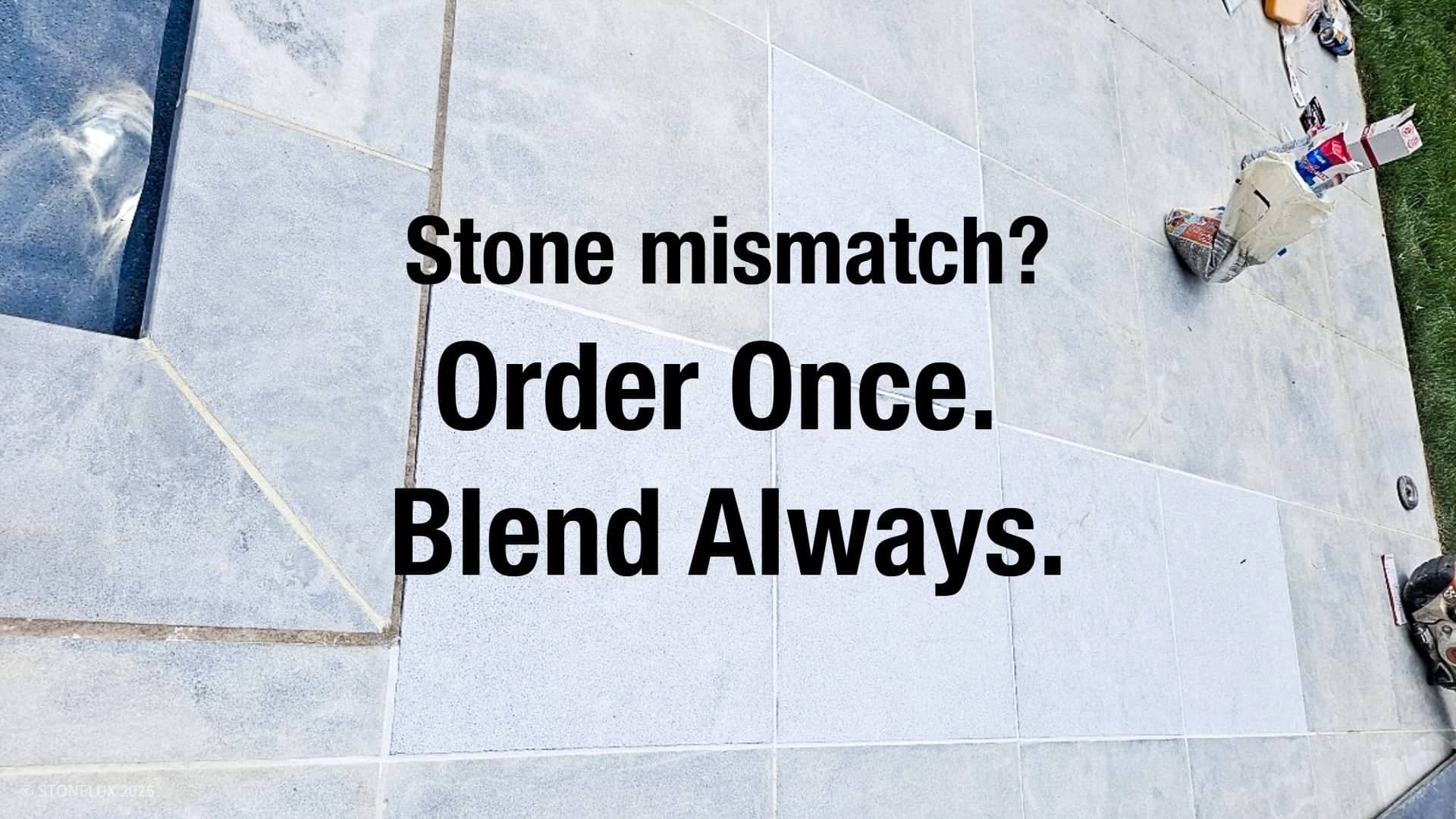
Why Natural Stone Variation Is Normal
Natural stone is formed by geological processes over time. Each slab, block, or cut carries its own mineral composition, veining, porosity, and color tone. Even within the same quarry, different sections may yield slightly different aesthetic results. Top industry blogs (such as Stone Impressions’ discussion of natural stone “idiosyncrasies”) highlight how no two slabs are truly identical.
When you add in processing, finishing, and storage — differences in polishing, drying, exposure, or handling — small variations become visible when installed side by side.
Real‑World Causes of Mismatch: What Leads to the “Odd Section”?
Split or phased orders / different lots. Ordering some material now and more later often results in new stone from a different lot (with different shade or veining).
Interrupted installation / multiple days. Installing one part of the deck today and another the next can lead to grout, mortar, or sealant curing under different environmental conditions (sun, humidity, temperature).
Variation in grout, mortar, or sealer mix. Differences in water content, pigments, or batch mixing can slightly change the grout color or texture, which accentuates stone differences.
Foot traffic, dust, and micro‑wear. Sections that were walked on earlier, dirtied, or weathered can look older or darker than freshly installed areas.
Lighting, orientation & surface finish. Direction of sun, shadows, and whether the stone is honed, polished, or unpolished all affect perceived color.
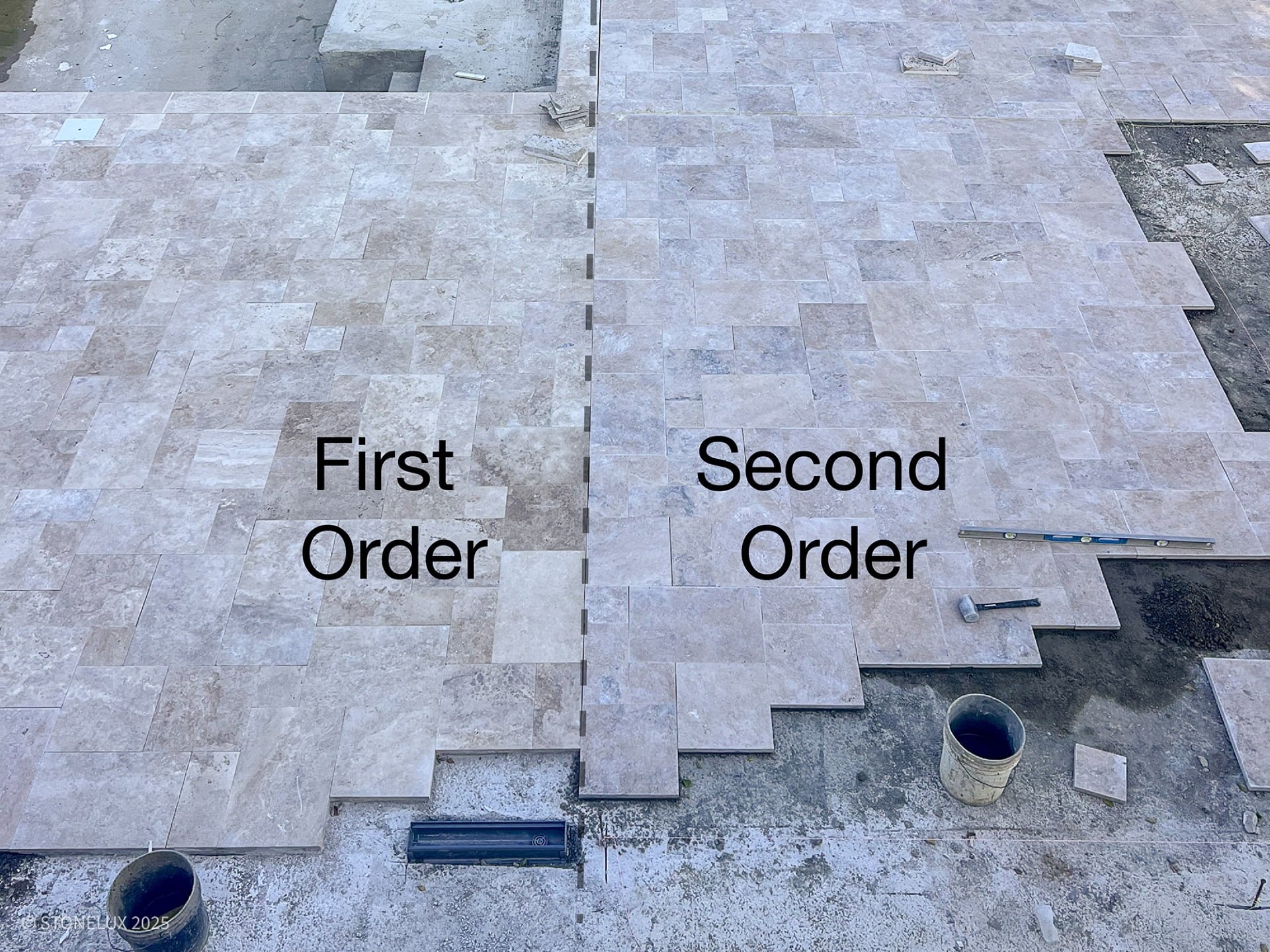
How Top Professionals Mitigate Variation
Leading stone industry blogs and suppliers (e.g. Dynamic Stone Tools) emphasize blending, grading, and test layouts. For example, opening several boxes from different pallets and mixing them during installation helps avoid stark zones of uniform color. Also, dry‑laying sample panels under real outdoor sunlight gives a preview before permanent setting.
STONELUX’s Advantage: Lot Tracking & Pallet Serialization
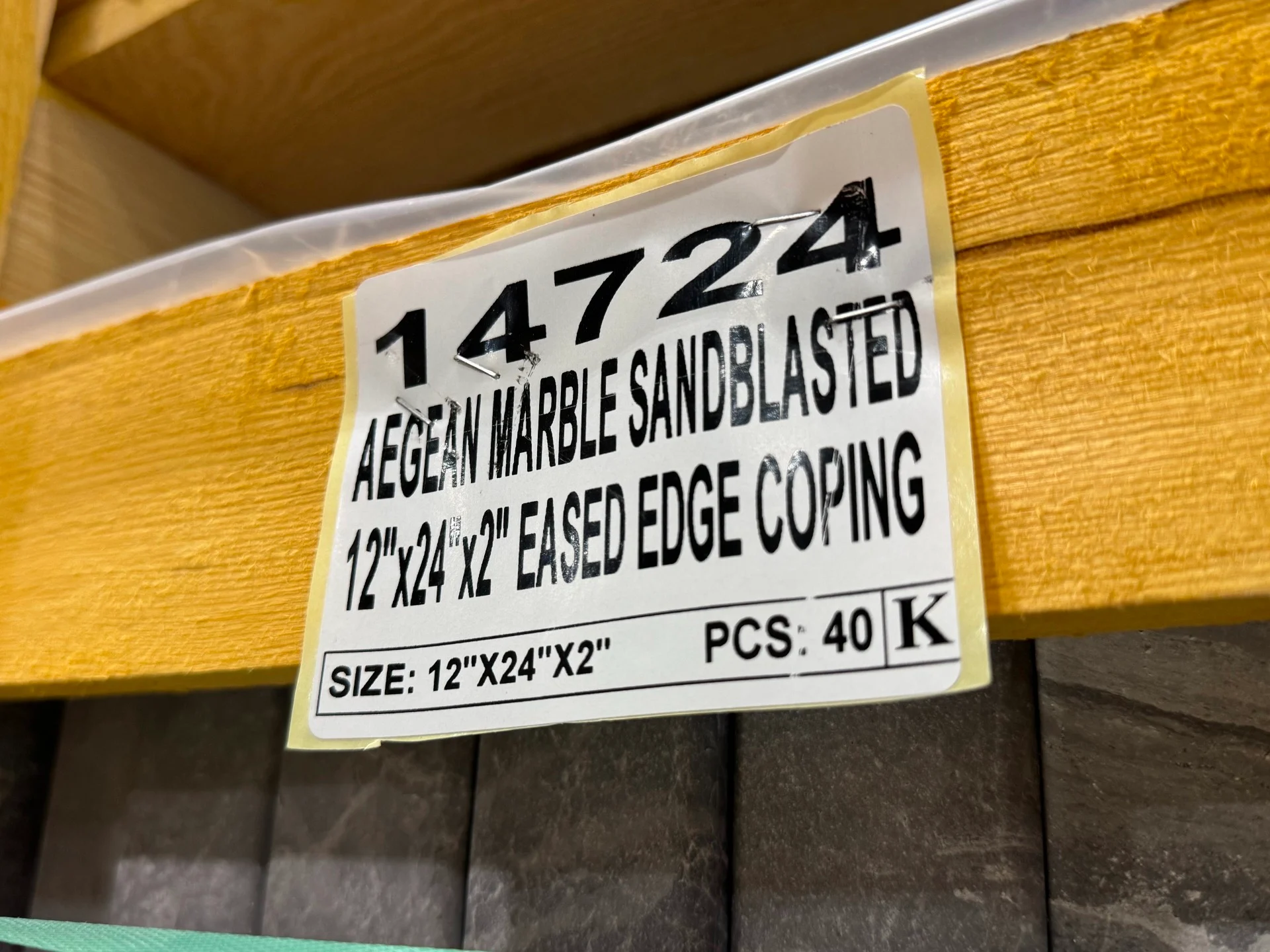
What sets STONELUX apart is how we manage and track material at the logistical level. Every pallet we ship is serialized, and we maintain lot‑level traceability tied to your project. We also provide real‑time inventory visibility via our Stock Check system, which updates every 15 minutes.
Our Resources & Support section provides installation guides, FAQs, and forms to clients.
Because of our lot‑tracking system:
You can order all your material from the same lot (or know exactly which lot you’re getting).
Future repairs or expansions can be matched with high confidence.
We can avoid accidental mixing of incompatible lots on the same project.
Step‑by‑Step Best Practices to Prevent Mismatch
Calculate & order the full quantity (plus 10–15%). This avoids split orders and ensures lot consistency.
Engage a supplier who serializes pallets and logs lot data. This is your safety net for future matching.
Dry‑lay and preview in real conditions. Before final installation, set out a sample layout under sun/shade to spot contrast.
Open multiple pallets and blend. Pull stone from different boxes as you install to spread variation evenly.
Install continuously if possible. Minimize delays or mid‑job shifts that can introduce inconsistency.
Use consistent grout / mortar / sealer mixtures. Keep the same manufacturer, water ratio, curing times, and pigment batches.
Save extra from the same lot for repairs or additions. You’ll thank yourself later.
Follow proper sealing, maintenance, and cleaning protocols. Variation can become more visible if one section ages faster due to poor care.
Real Example From Our Field
Here’s a scenario we’ve seen: a homeowner orders marble coping and installs one section of the pool deck. Later, they order more to finish the opposite side. Even though the new pieces carry the same product name, they arrive from a different lot and appear slightly lighter. The first section has seen foot traffic, dust, and the grout has aged. The result? A noticeable mismatch.
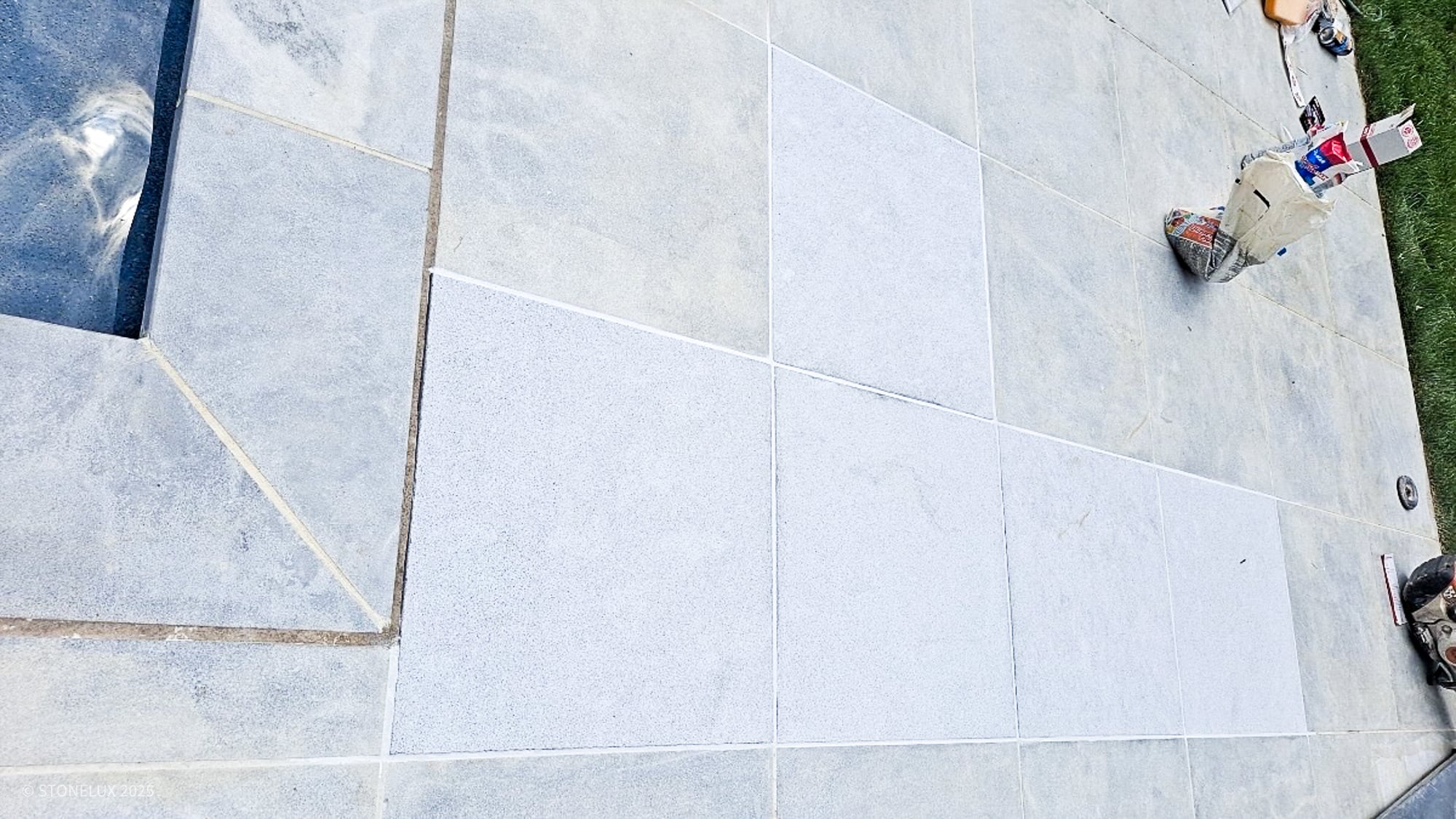
With STONELUX’s lot tracking, serialization, and blending practices, you avoid that scenario. You can confidently expand or repair in the future, knowing the original lot data is recorded.
Frequently Asked Questions (FAQ)
How much extra stone should I order?
It’s best to order 10–15% extra. This accounts for cuts, breakage, and future repairs.
Can grout color help mask stone differences?
Yes — a carefully chosen grout color can soften visual contrast, but it won’t hide inherent stone variation.
Does sealing change how the stone looks?
Yes, sealing can slightly deepen or darken the tone of the stone. That means mismatched or unsealed sections may diverge in appearance over time.
Can I recolor or dye mismatched stone later?
It’s possible, but rarely perfect. Dyeing or staining can result in uneven or unnatural tones. Matching upfront is far safer.
What if I need matching stone years later?
When working with lot-tracked suppliers like STONELUX, you have a much better chance of reordering matching material — but we always recommend testing samples before full installation.
Conclusion & Call to Action
Natural stone remains a top choice for patios, pool decks, and outdoor spaces, thanks to its beauty and durability. But variation is a natural part of the material — and without planning, mismatches can happen.
By ordering your full quantity from one lot, working with a vendor who serializes pallets and tracks lots, blending stone during installation, and maintaining consistent materials and processes, you dramatically reduce visual disparity.
If you’re planning a new patio, pool deck, or stone remodel, our team is here to help. From lot matching to layout planning and product selection, we guide you every step. Contact us today or visit our showroom to view lot examples in person.